
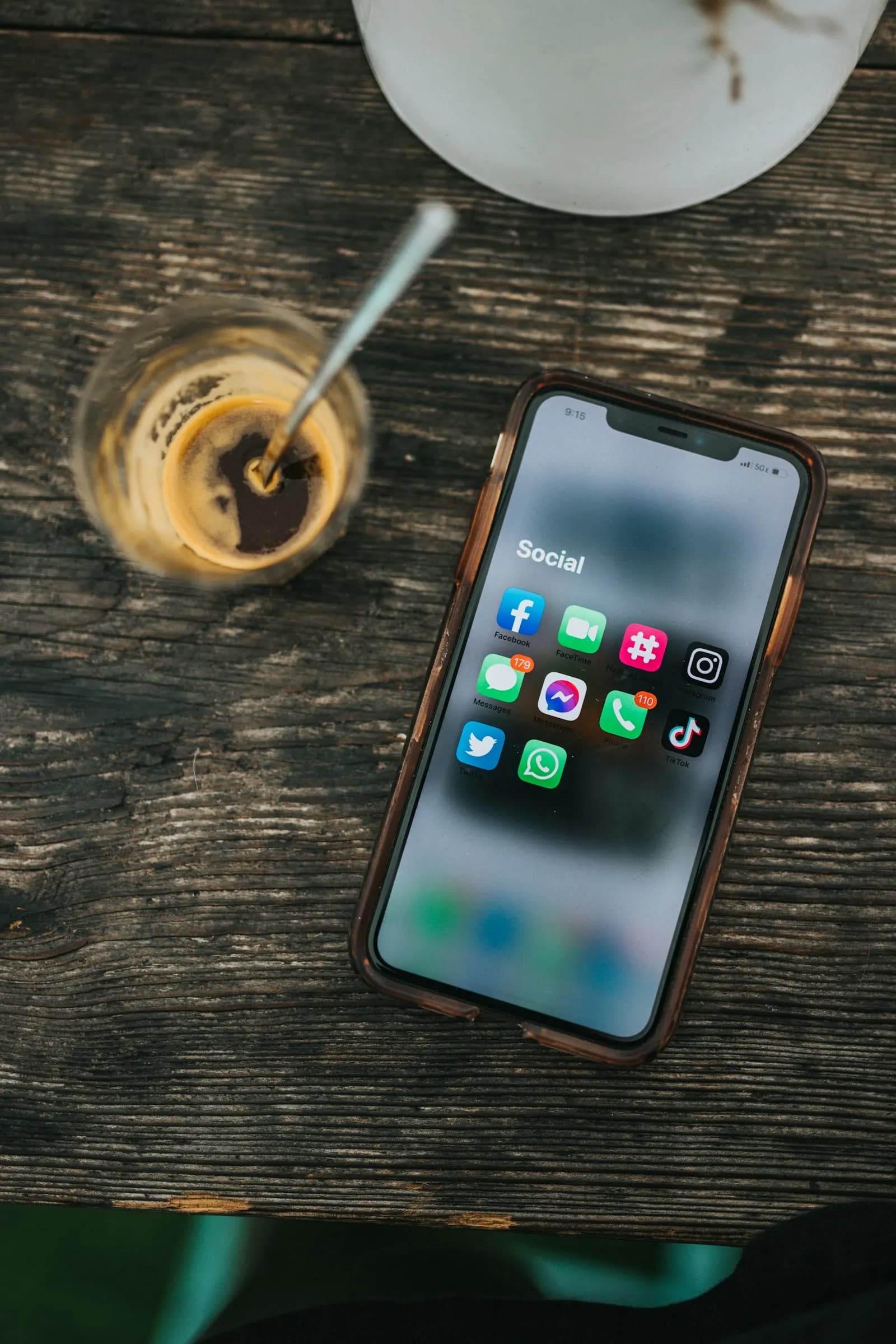
International tourists arrive in Vietnam having done extensive online research. By the time they book a spa, restaurant or hotel, they've read multiple reviews across several platforms. Social proof — the accumulated evidence that others have had a good experience — is the primary trust mechanism that converts this research into action. Understanding which social proof signals matter for your specific market is more valuable than accumulating review numbers on the wrong platform.
Which review platforms matter for which guest markets
- Google Reviews: the universal standard for Western guests (Europe, North America, Australia). High review count and strong star rating on Google Maps is table stakes for any business targeting international guests.
- TripAdvisor: still relevant for hospitality — hotels and restaurants in particular. Older demographics and group tours research heavily on TripAdvisor.
- Naver Blog reviews: the primary trust mechanism for Korean tourists. A detailed Korean blog post about your spa or restaurant carries more weight than any star rating for this market.
- Booking.com and Agoda reviews: critical for hotel bookings — often the final verification step before confirming.
- Facebook reviews and recommendations: relevant for social-platform-native audiences, particularly for newer businesses building community trust.
Why volume matters more than perfection
A business with 200 Google reviews averaging 4.4 stars consistently outperforms a business with 30 reviews averaging 5.0 stars in booking conversion. Prospective guests discount perfect scores with low volume as potentially fake or unrepresentative. Review volume signals longevity, consistency and broad customer experience — all of which are more reassuring than a handful of five-star reviews.
Collecting genuine reviews: the right approach
- Ask at the right moment: immediately after the service, when the guest's experience is freshest and satisfaction is highest.
- Remove friction: a QR code at checkout that goes directly to the Google review form is more effective than asking guests to find your profile themselves.
- Ask genuinely, not transactionally: 'If you enjoyed your experience, we'd appreciate a Google review' is better than 'Please leave us 5 stars.'
- Follow up via WhatsApp or email for guests who didn't review during the visit — but only once.
- For Korean guests: encourage a Naver Place check-in or ask if they'd consider sharing their experience on Naver Blog.
Social proof beyond star ratings
Review scores are one component of social proof, but not the only one. A tourism business's broader social proof picture includes: the number and quality of photos on Google Maps and the website, a verified Facebook Page, consistent social media posting showing real activity, featured media coverage or blog posts, and physical trust signals visible on arrival (certificates, awards, association memberships). The combination of these signals creates a coherent picture of trustworthiness that star ratings alone cannot convey.
Responding to reviews: social proof in action
How a business responds to reviews is itself a form of social proof. Prospective guests read review responses to assess whether the business is attentive, professional and accountable. A thoughtful, personalised response to a negative review can actually increase booking confidence — it demonstrates that the business takes feedback seriously and handles problems professionally. Generic copy-paste thank-you responses to positive reviews add little value; specific, warm responses that reference the reviewer's experience reinforce authenticity.
Related
FAQ
How many Google reviews does a spa in Hoi An need to be competitive?
In competitive tourist areas like Hoi An, 50+ reviews is a reasonable baseline for credibility. 100+ reviews puts a business in a strong competitive position. The average star rating matters less than the volume and recency — a consistent stream of recent reviews signals active operation.
Should I worry about a few negative reviews?
A small proportion of negative reviews (under 15%) is actually beneficial for credibility — an entirely positive review history looks suspicious to savvy guests. The key is responding to negatives professionally and ensuring the overall narrative in reviews reflects genuine positive experiences.
 WhatsApp