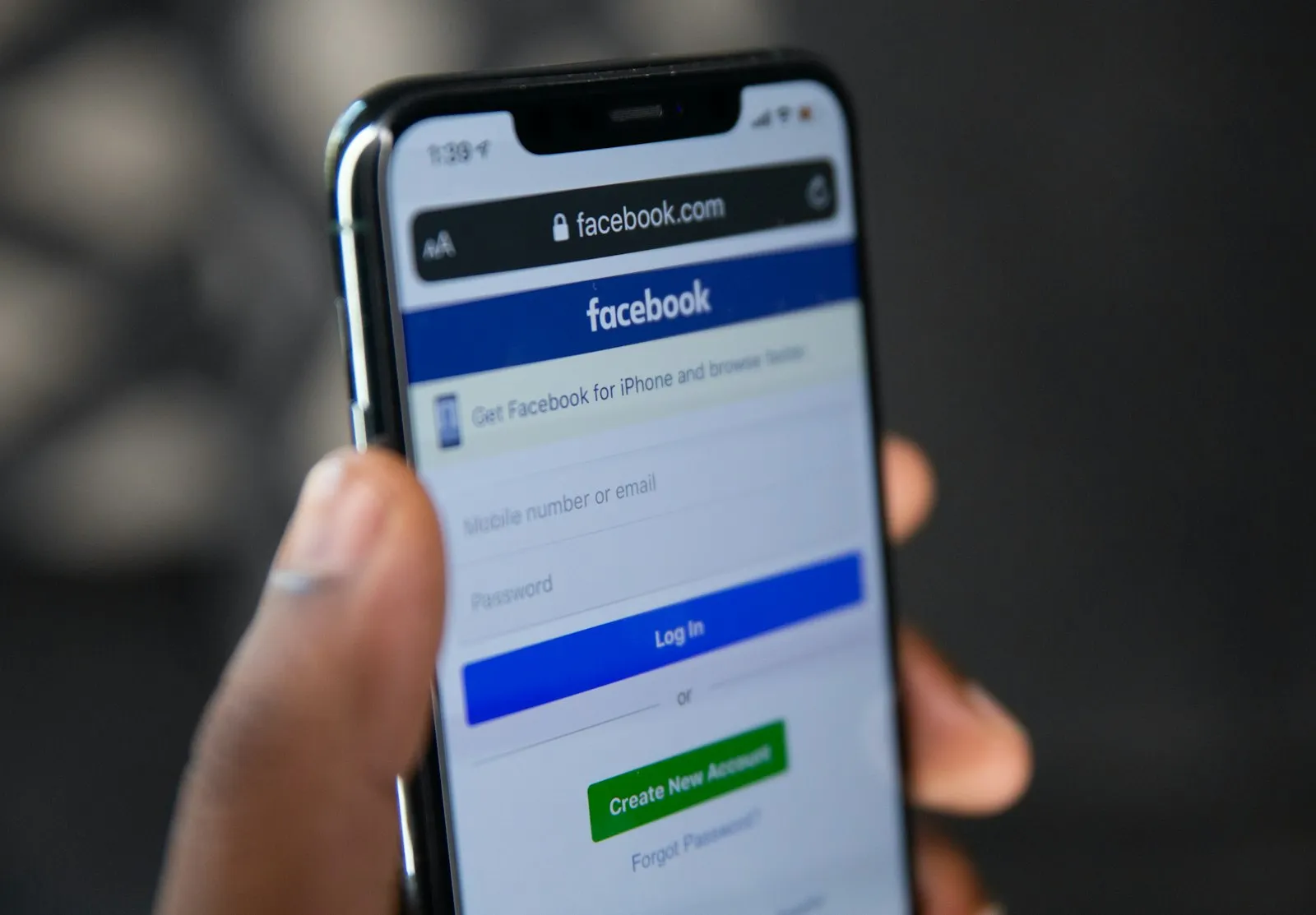
Before booking a spa, restaurant or hotel in Hoi An or Da Nang, a large proportion of international guests check the business's Facebook Page. What they find — or don't find — there influences whether they enquire. A Facebook Page that is sparse, outdated or unprofessional creates doubt. A well-maintained page with clear information, real photos and genuine reviews provides the social proof that turns a prospect into a booking.
The essential elements of a tourism Facebook Page
- Profile photo: your business logo at a size that is legible even as a small thumbnail. Not a personal photo or a photo of the venue — the logo.
- Cover photo: a high-quality image of your best visual asset — a treatment room, dining space, room view or signature dish. Update this seasonally.
- Business category: set the correct category (Spa, Restaurant, Hotel, Tour) so Facebook populates the right fields and discovery features.
- Contact information: phone number, WhatsApp link, website URL and address all filled in completely and accurately.
- About section: a two-to-three sentence description of what makes your business worth visiting, written in English for international guests.
- Operating hours: accurate and kept up to date — outdated hours are a common guest complaint.
Content posting: quality and consistency matter more than frequency
A Facebook Page with irregular, low-quality posts signals neglect — the opposite of confidence-building. Tourism businesses in Hoi An and Da Nang that post consistently (3–5 times per week) with real photos of their services, venue and guest experiences build pages that function as living brochures. The most effective content types for tourism: photos of specific treatments or dishes (not generic photos), guest testimonial posts, seasonal offers and local event tie-ins, and behind-the-scenes content that makes the experience feel accessible.
Response time: the 'Very responsive' badge matters
Facebook displays a 'Very responsive' badge on pages that reply to messages within an hour at least 90% of the time. For international guests considering booking via Facebook Messenger, this badge is a significant trust signal — it means they can expect a quick answer to their enquiry. Achieving and maintaining this badge requires consistent message monitoring during business hours, and ideally an automated greeting message set up for out-of-hours enquiries.
Facebook reviews: actively managing your rating
Facebook reviews appear prominently on your page and influence international guests' decisions — particularly for businesses where Facebook is the primary discovery channel. Actively inviting satisfied guests to leave a Facebook review (alongside Google) builds the review count that makes your page look credible. Responding to all reviews — positive and negative — demonstrates attentiveness and is visible to prospective guests reading your page.
Korean tourists and Facebook
Korean tourists use Facebook less than Western guests for discovery, but they still check Facebook as a secondary trust verification after finding your business on Naver. A Facebook Page that is clearly active and professionally maintained reinforces the credibility established through Naver Blog reviews. For businesses with a significant Korean guest base, adding Korean captions to photo posts and a KakaoTalk contact link in the About section improves Korean guest conversion from Facebook visits.
Related
FAQ
Should a tourism business have separate Facebook Pages for English and Vietnamese audiences?
Generally no — managing multiple pages divides your review count and attention. A single page with posts in both English and Vietnamese (and Korean where relevant) serves all audiences from one profile. Facebook's multilingual post feature can show language-specific versions to the relevant audience automatically.
How important is the Facebook Page compared to Google Maps for international guests?
Google Maps is typically higher priority for discovery — most international guests find businesses through Google Search and Maps. Facebook functions more as a secondary trust check after discovery. Both are important, but if you have limited time, prioritise Google Business Profile first and Facebook maintenance second.
 WhatsApp